
The Nairobi Innovation Week (NIW) 2026, held on 15 July 2026, was a triumphant milestone as the University of Nairobi rallied stakeholders in celebrating ten years of transforming academic research into real-world solutions. The event underscored the University's role as the heartbeat of Kenya's national innovation engine, with leadership and partners united on one message: the first decade was about establishing a culture of creativity; the next will be about capability and industrial transformation
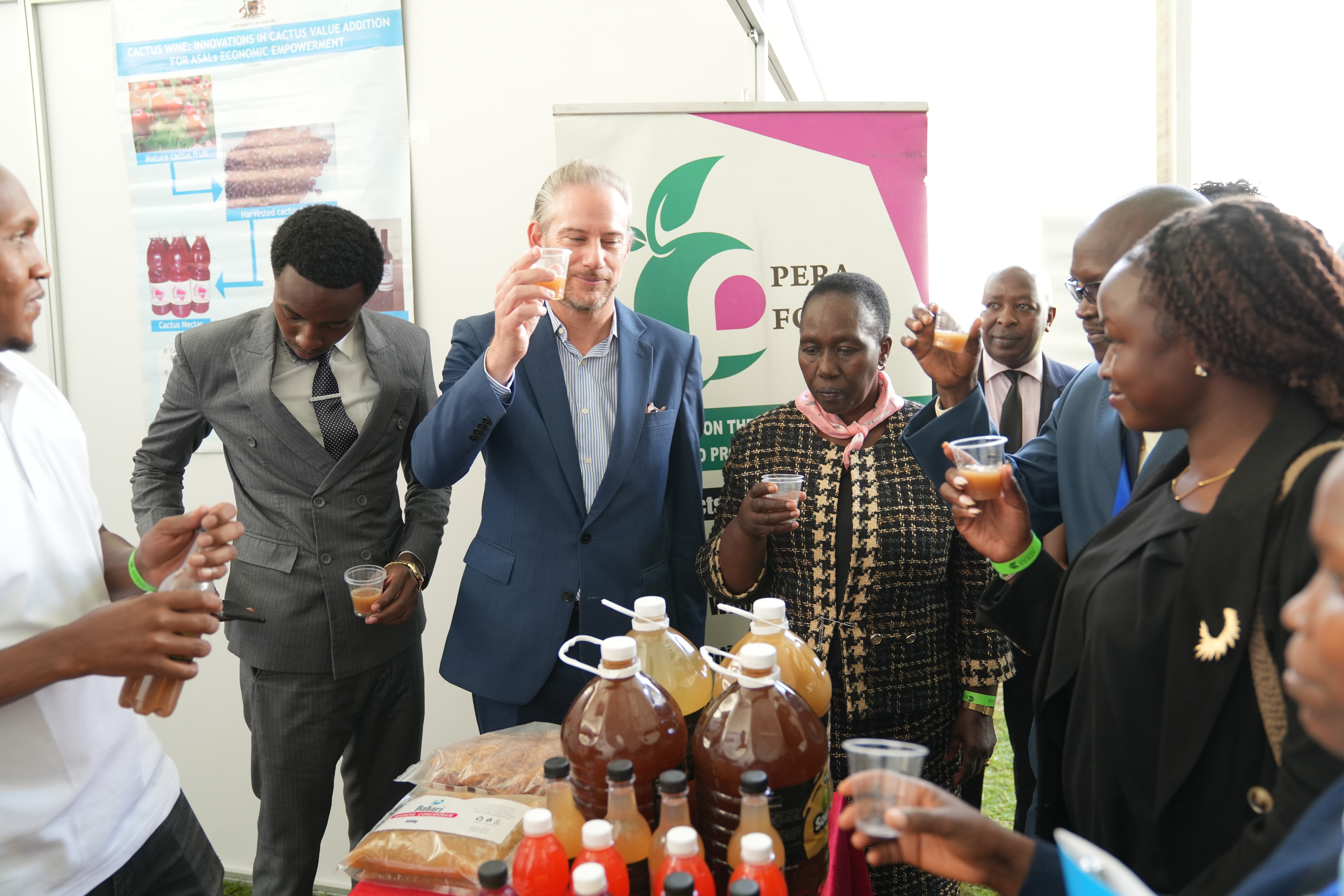
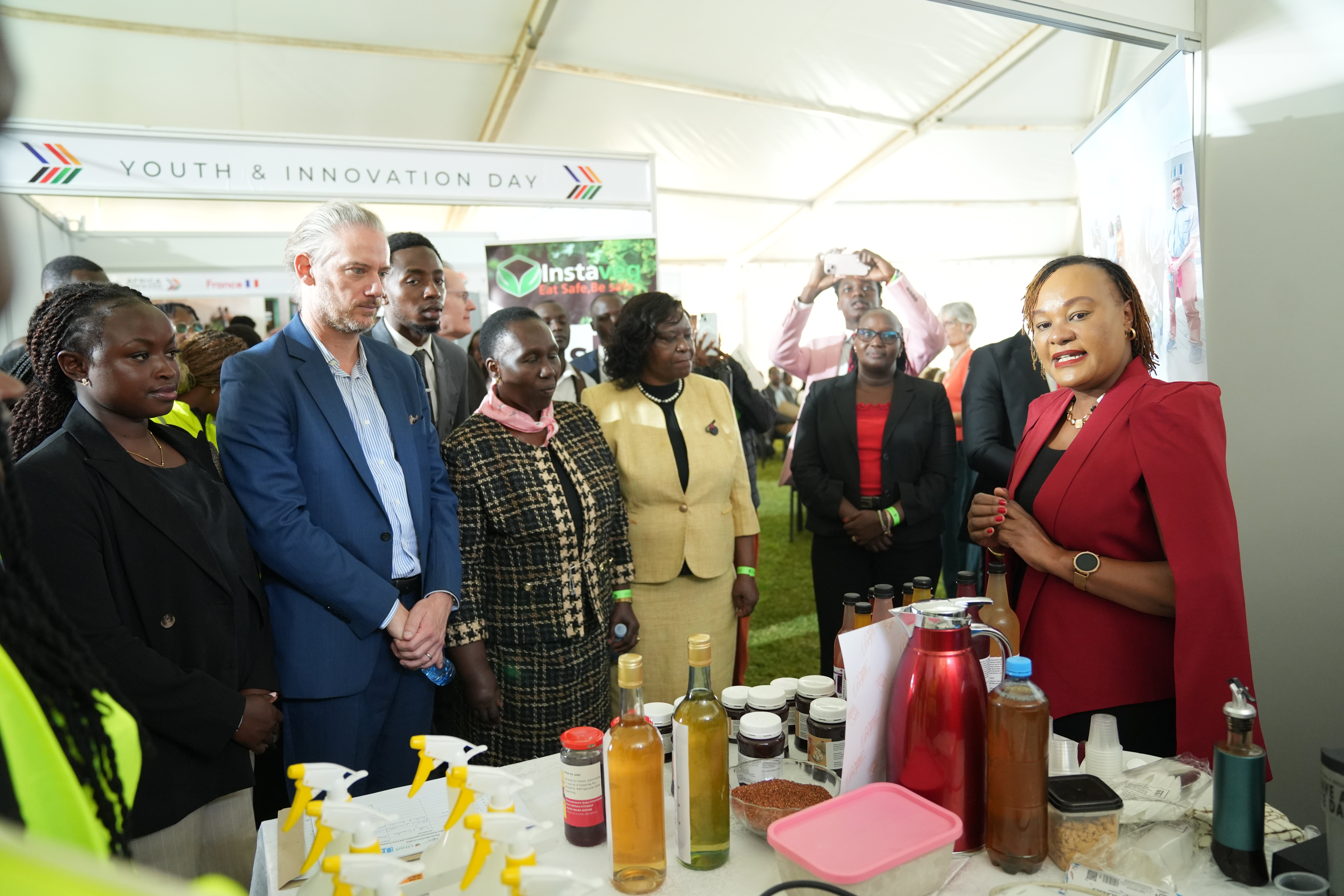
The highlight of the closing ceremony was a deeply passionate, future-oriented keynote address delivered by the Chief Guest, Dr. Tonny Omwansa, Chief Executive Officer of the Kenya National Innovation Agency (KeNIA). Having founded Nairobi Innovation Week in 2015 while serving as a faculty member at UoN, Dr. Omwansa returned to share a vision establishing the university's unique, disproportionate responsibility in shaping Kenya's economic future.
“When the University of Nairobi gets it right, the country gets it right...if the University of Nairobi succeeds in commercialising more and more research outputs, the country gets it right”.
Citing Helsinki's renowned student-led startup event, Slush, as his original inspiration, Dr. Omwansa challenged UoN to move beyond academic exhibition toward commercial sustainability, outlining five strategic pillars for the next decade:
- Becoming Africa's benchmark for Intellectual Property (IP) excellence.
- Acting as a magnet for innovation investment to scale startups.
- Providing leadership in Artificial Intelligence (AI).
- Strengthening institutional partnership capabilities.
- Enhancing the productive capability of students to become global innovators.
On behalf of KeNIA, Dr. Omwansa firmly rejected the idea that UoN is just another external stakeholder in KeNIA’s developmental trajectory:
“We don’t see University of Nairobi as a stakeholder. No, we see University of Nairobi as an anchor in the national innovation agenda... we stand ready to work wity you to strengthen the commercialisation infrastructure”.
Speaking on the strategic journey ahead, the Vice-Chancellor, Prof. Eng. Ayub Gitau, reaffirmed that the university is repositioning itself, through its Strategic Plan 2023–2027, to ensure knowledge contributes meaningfully to national development, aligned with the Kenya Bottom-Up Economic Transformation Agenda (BETA) and Kenya Vision 2030, and leveraging research across agriculture, manufacturing, health, and climate resilience.
“As the University of Nairobi, we affirm our commitment to building an innovative ecosystem where academia works seamlessly with government, industry, investors, and development partners to deliver lasting value to society”.
The Vice-Chancellor emphasised that the event's true impact lies in its legacy: "The real measure of our success will not be how many people attended... but it will be determined by what happens after today." He noted that through excellence in research and entrepreneurship, the University is directly supporting the Bottom-Up Economic Transformation Agenda and the African Union's Agenda 2063.
Deputy Vice-Chancellor (Research, Innovation and Enterprise) Prof. M. Jesang Hutchinson offered a sobering, yet optimistic look at the university's progress. Celebrating the 176 innovations crafted and 70 successfully commercialised since NIW's inception, she called for a more deliberate and bolder approach to translating ideas into enterprises, matching global benchmarks.
She highlighted the Engineering and Science Complex as a forthcoming flagship project that will serve as a "community of excellence" to consolidate fragmented innovation pockets across the university's ten faculties, and celebrated NIW 2026's expansion to include high schools and other universities. The DVC stated that this decision of expansion beyond the University of Nairobi transformed the event into a national summit. She also lauded the integration of private sector partners directly on campus, such as the Kantaria Agricultural Technology and Innovation Centre (KATIC), co-created with Elgon Kenya.
“The question we are posing is: to what extent can the Research, Innovation and Enterprise Division... be the engine for helping the university run research, innovation and commercialisation ideas? We need a framework for supporting these innovations because the numbers need to increase ... so that our communities can benefit from real solutions to real problems in real-time”.
To cement the university's commitment to industrial collaboration, NIW 2026 witnessed a historic agreement signing with the Shelter Afrique Development Bank, a flagship partnership modelling UoN's intent to leverage scientific research in solving Africa's urban infrastructure and green growth needs.
As the curtains fell on NIW 2026, Dr. Omwansa left the university community with a challenge to reflect upon when UoN celebrates its 20th anniversary of the event, ten years from now:
“Ten years ago, the Nairobi Innovation Week inspired ideas, and ten years down the road, it must inspire industries. The first ten years celebrated creativity, and the next ten years will celebrate capability...let us measure the success by the numbers of industries that have been transformed, the companies that have been built, the patents that were registered and commercialised, the jobs that were created, and the lives that were changed”.
With the support of KENIA and global partners, the University of Nairobi stands ready to lead this national and continental charge by turning more academic breakthroughs into tangible real-world solutions, as called upon by the Director of Innovation and Intellectual Property Management, Prof. Maina Wagacha.
The countdown for impact has begun!