
The University of Nairobi (UoN) is set to elevate its global research footprint through a dynamic multi-disciplinary collaboration aimed at transforming one of Africa’s most stubborn ecological challenges, water hyacinth, into high-value pharmaceutical and energy solutions.
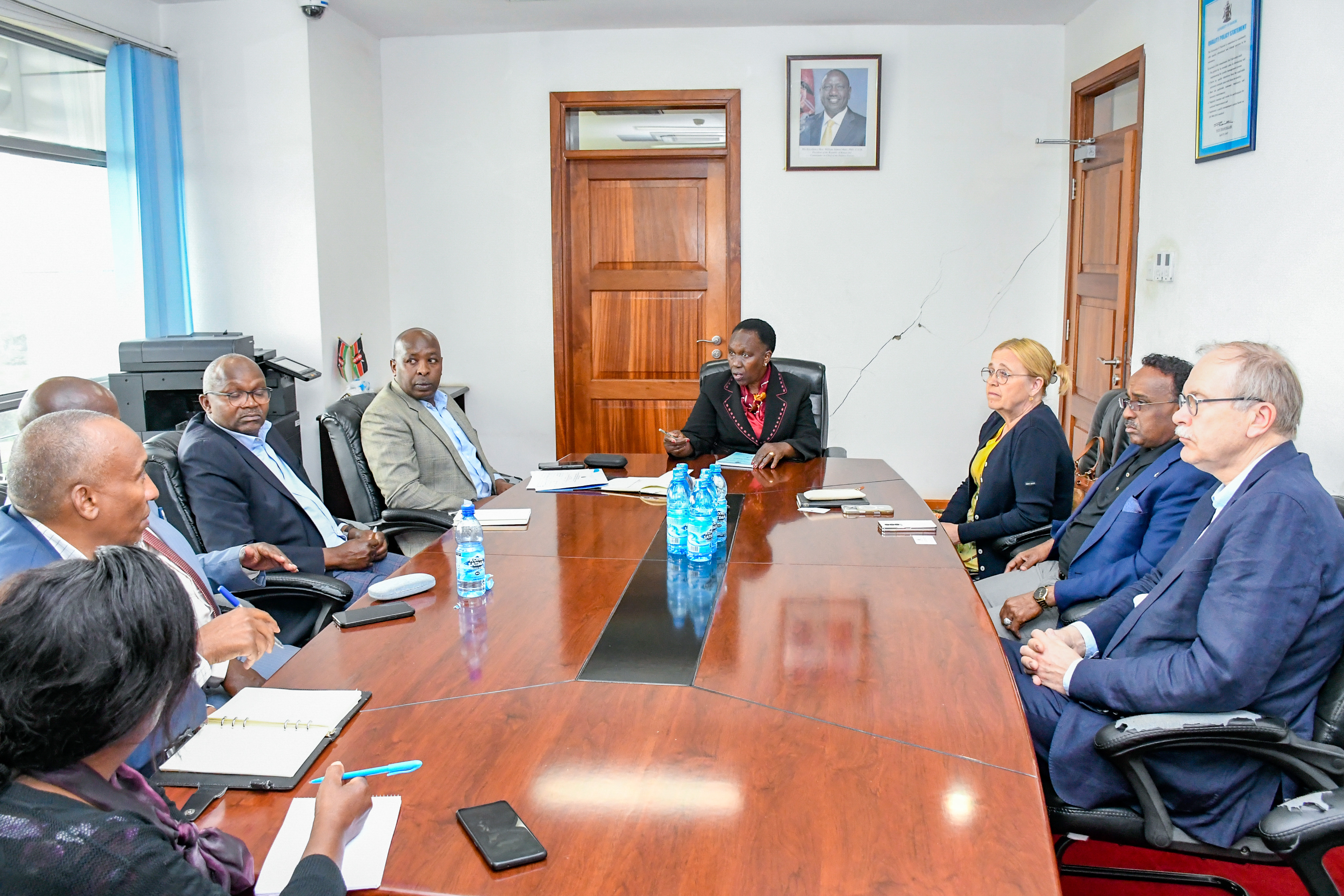
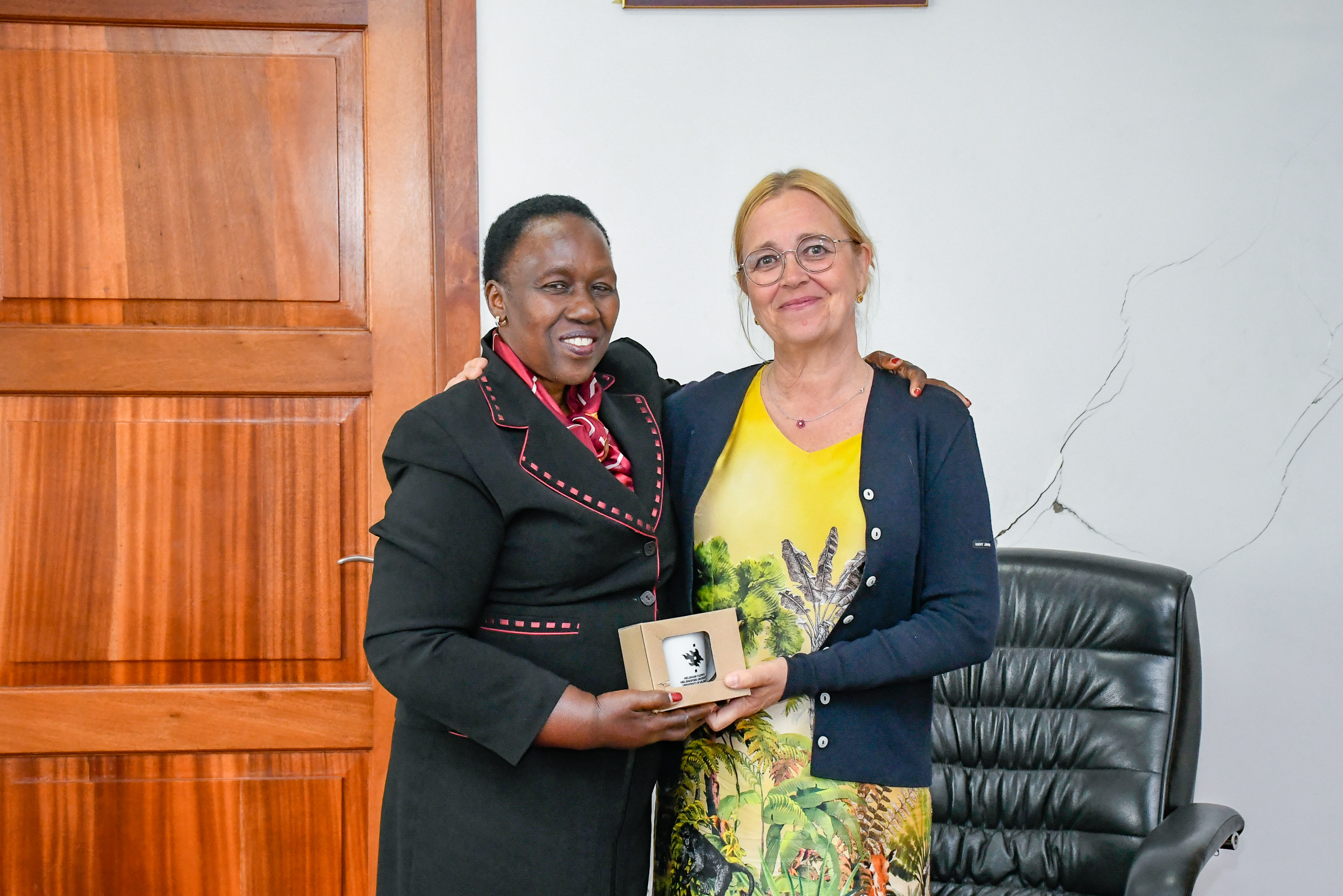
In a strategic consultation the Deputy Vice-Chancellor in charge of Research, Innovation, and Enterprise (RIE), Prof. Margaret Jesang Hutchinson, welcomed acclaimed Finnish biopharmaceutical nanotechnology expert Professor Marjo Yliperttula from the University of Helsinki to solidify a framework targeted at advanced biochemical research, intellectual property development, and enterprise.
While local innovations surrounding the water hyacinth have focused on mechanical harvesting or low-tech crafts, Professor Yliperttula’s groundbreaking research introduces an efficient, low-cost extraction process. Her team specializes in processing invasive aquatic biomass into nanocellulose-based hydrogels for medical applications.
"We have developed a very fast and easy process to make hydrogels for wound treatment, tissue scaffolding, and targeted drug delivery," Professor Yliperttula noted, adding that robust animal studies have already yielded highly encouraging clinical results.
According to the discussions, the partnership will prioritize rigorous environmental validation to map out farming and mining impurities across different water bodies, including Lake Naivasha and Lake Victoria. Beyond biotherapeutics, the joint initiative will explore the plant’s potential as a clean energy source for petroleum alternatives and bio-mining metals.
Welcoming Prof. Yliperttula, Prof. Hutchinson emphasized that the University of Helsinki represents a premier global strategic partner for UoN. Describing the relationship as uniquely profound, she reaffirmed that the university is fully committed to providing a supportive institutional environment dedicated to nurturing, deepening, and broadening this cross-continental alliance.
Guided by UoN’s commitment to global educational standards and regional impact, the collaboration intends to establish concrete pathways for academic mobility and institutional growth:
- Joint Student Supervision: Jointly mentored Master of Science and PhD tracks spanning Chemistry, Pharmacy, and Energy Engineering.
- Cross-Continental Validation: Comparative literature reviews to bridge distinct African and European scientific data.
- Institutional Grant Bidding: Collaborative applications for international funding networks to build sustainable academic ecosystems.
Contributing to these discussions, UoN researchers led by Prof. Thomas Ochuku (Director Research and Enterprise) and Prof. Maina Wagacha (Innovation and Intellectual Property) expressed a strong interest in the ground-breaking work by Prof. Yliperttula. Researchers including Prof. Catherine Kuloba (Faculty of Science and Technology), Dr Michael Omar (Faculty of Business and Management Sciences), and Prof. Stanley Ndwiga (Faculty of Health Sciences) highlighted the significance of more impactful and profitable approaches in the management and control of the water hyacinth.
Prof. Hutchinson underscored the critical importance of breaking down academic silos, urging the collaboration to span multiple disciplines, including food science and energy engineering, to ensure students approach these complex ecological and scientific challenges from an interdisciplinary perspective.
Pushing through with the alliance will reinforce UoN's strategic mandate to transition academic research from the laboratory into commercial spinoffs.