
A Heart for Science.
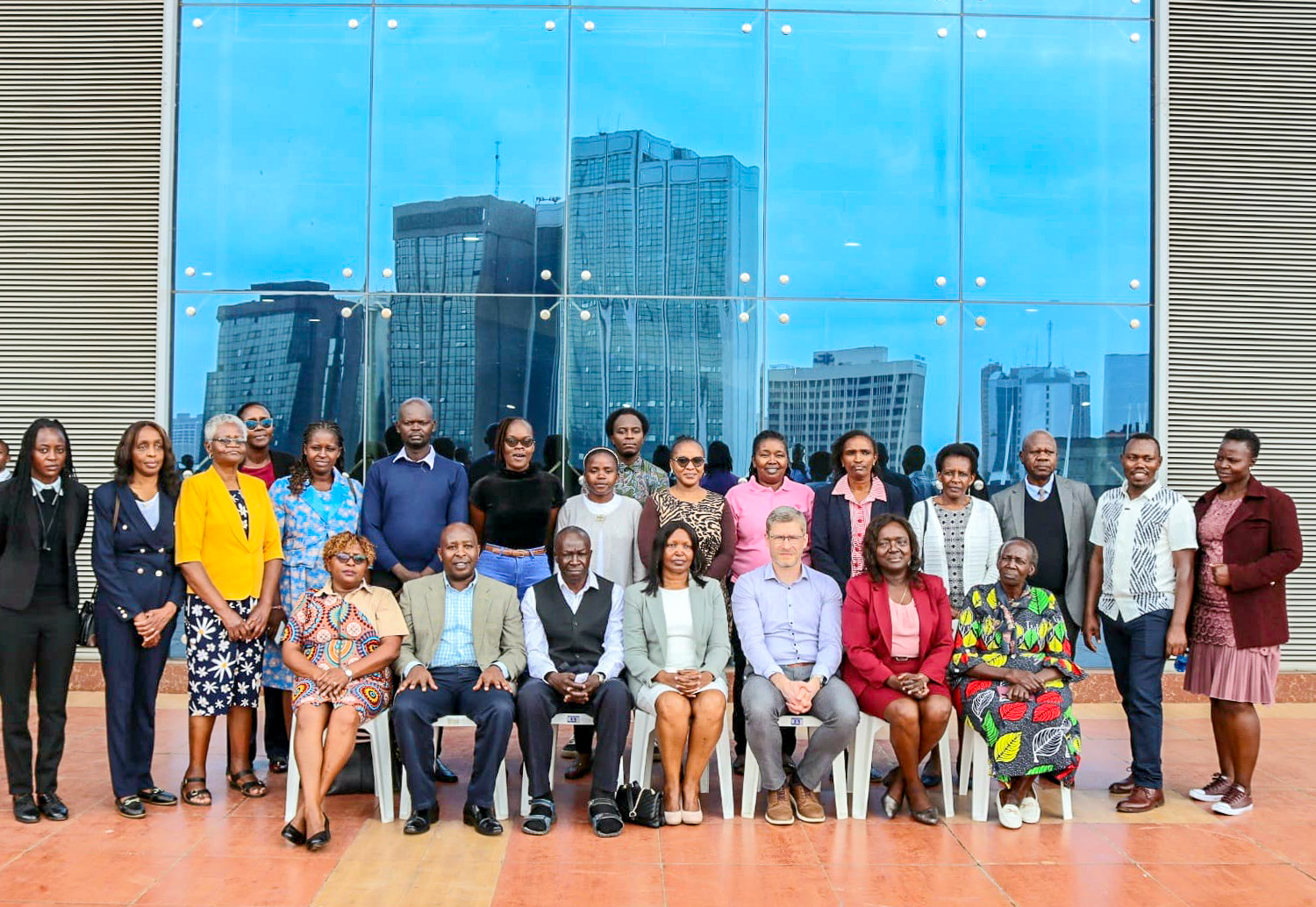
Deputy Vice-Chancellor, Research, Innovation and Enterprise Prof. Leonidah Kerubo (seated centre) with UoN faculty and school teachers when she launched the University of Nairobi–ZEISS “A Heart for Science” Youth Innovation Challenge at the University of Nairobi Towers on 20 February 2026. She is flanked by Mariusz Sliwa, Head of Live Marketing at ZEISS Industrial Quality Solutions (R), and Prof. Francis Nyongesa, Acting Dean Faculty of Science and Technology (L). Professor Maina Wagacha, Director of Innovation and Intellectual Property is seated second left.
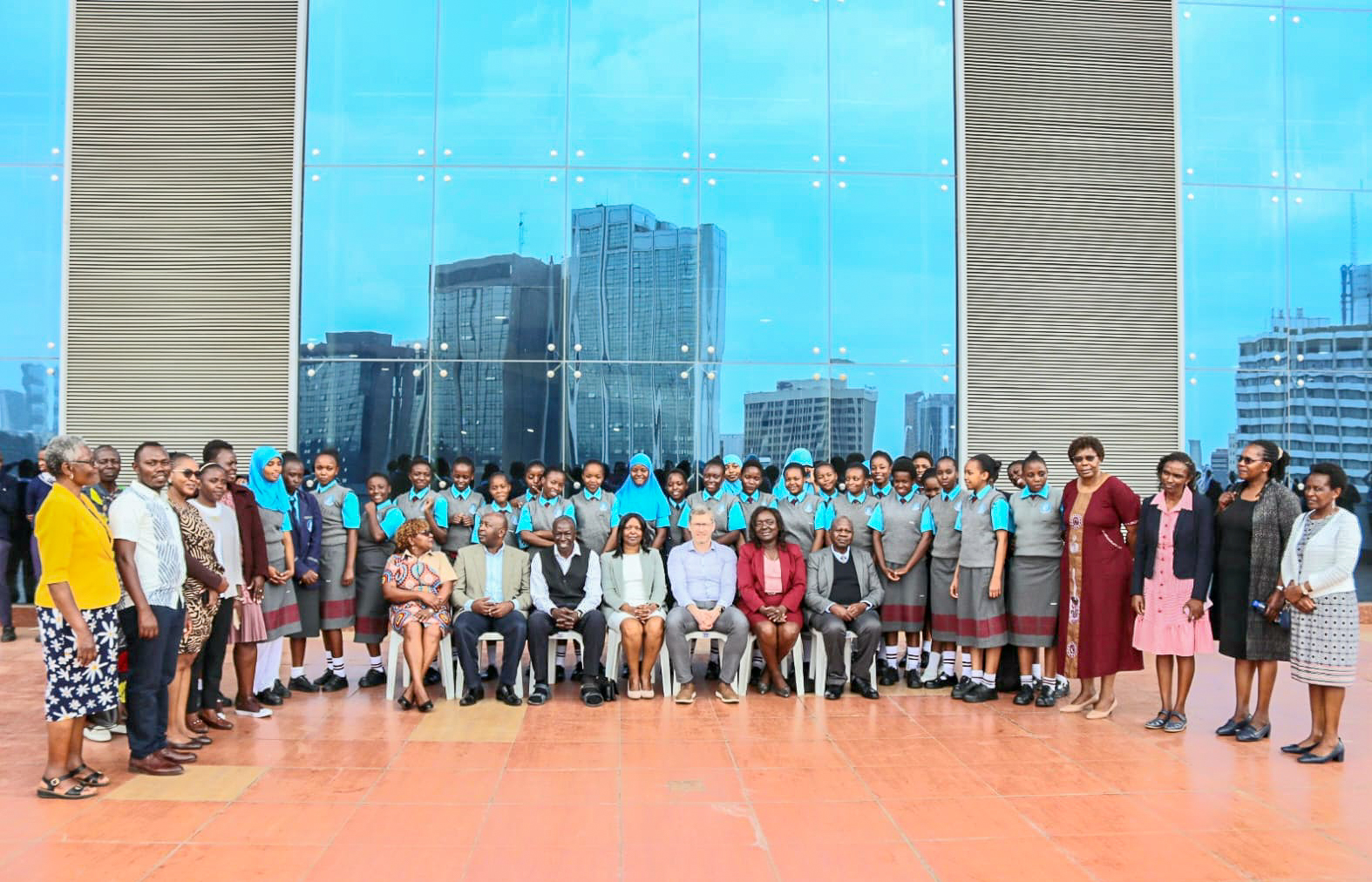
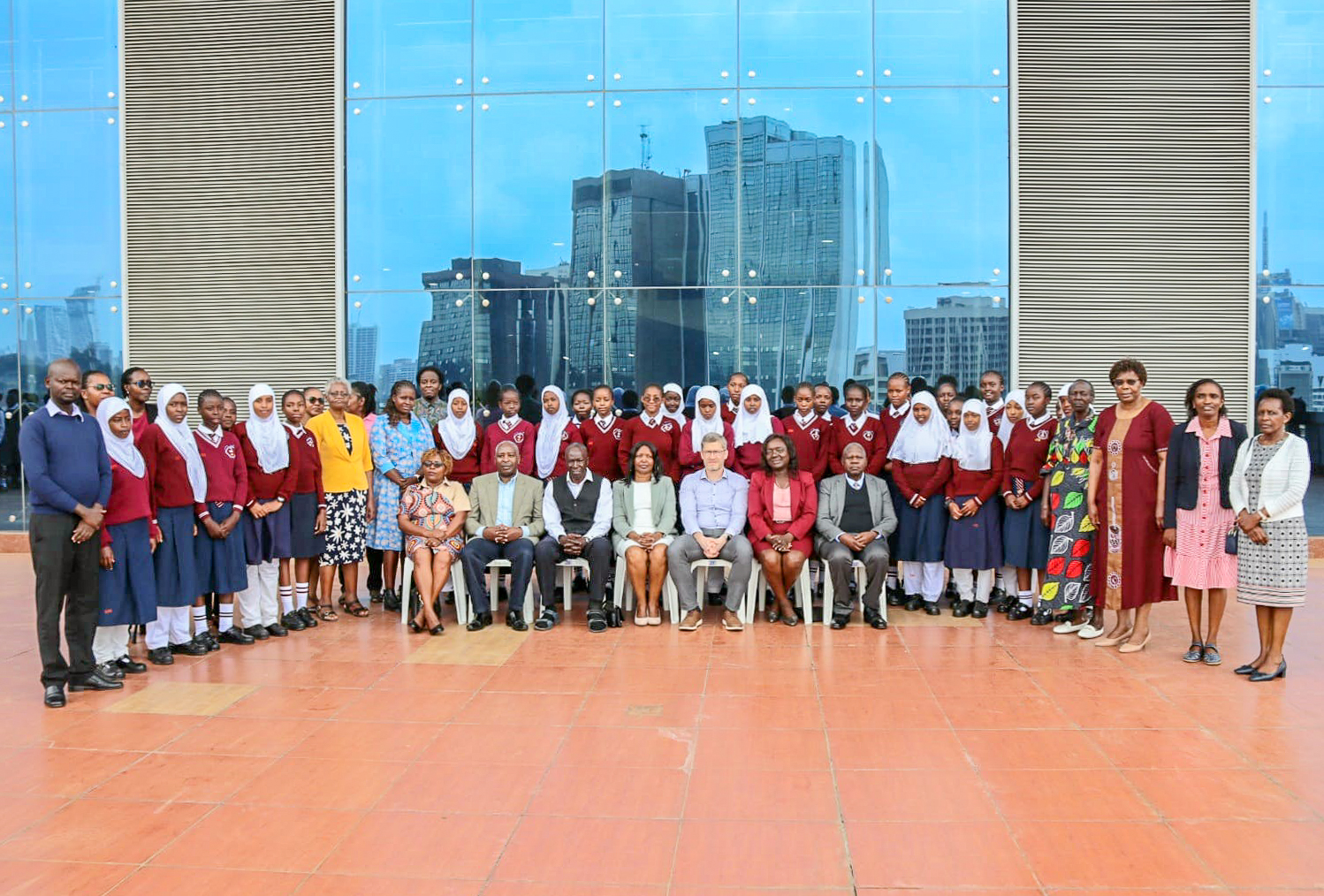
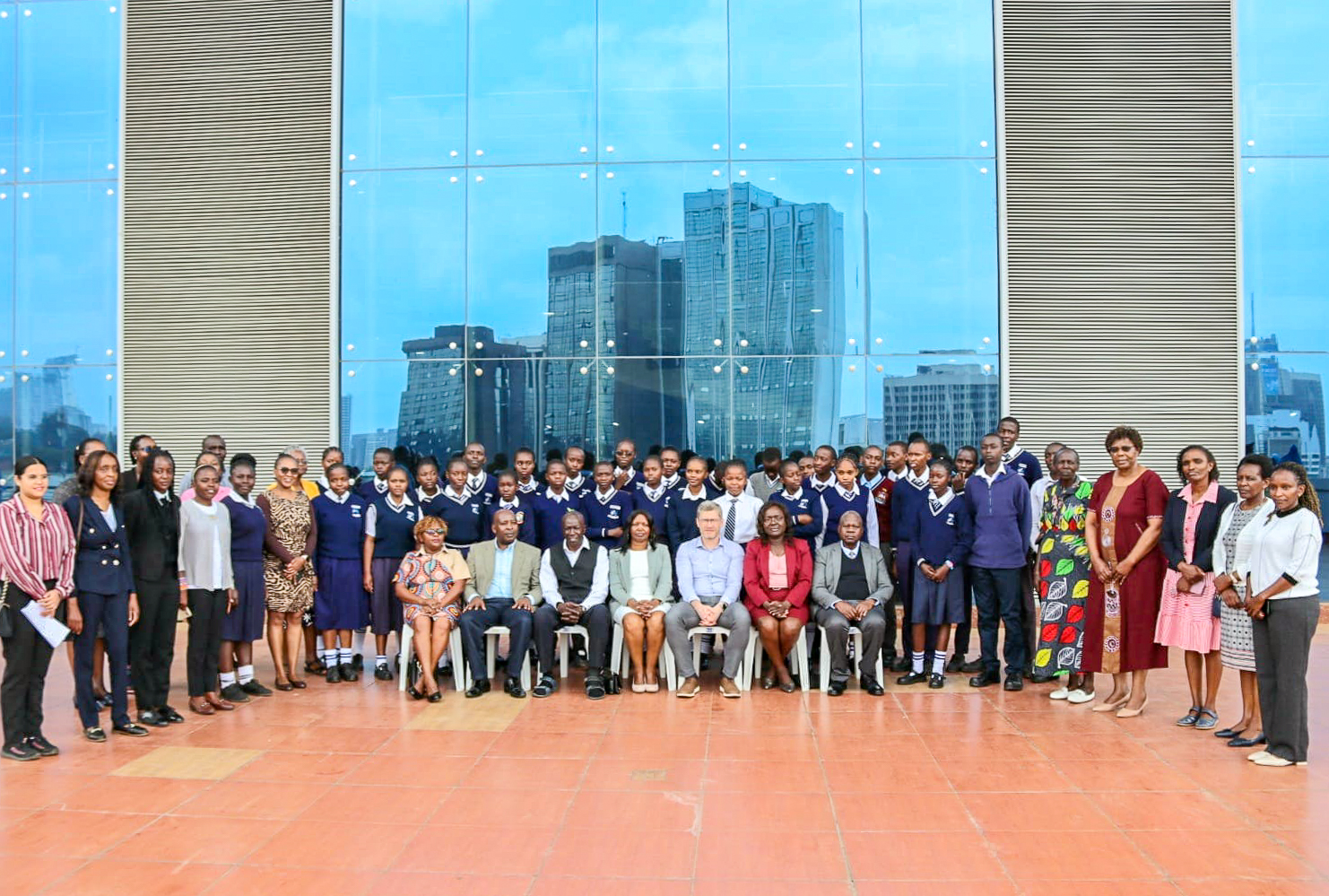
This was the rallying call by secondary school students who gathered at the Chandaria Auditorium, University of Nairobi Towers, for the official launch of the University of Nairobi–ZEISS Youth Innovation Challenge Nairobi (2026) on Friday, 20 February.
The Deputy Vice-Chancellor (Ag.) for Research, Innovation and Enterprise (RIE), Prof. Leonidah Kerubo, kick-started the landmark community outreach initiative that will see Nairobi students compete to solve real problems within their immediate surroundings. Prof. Kerubo has been involved in the initiative since its inception, working closely with Mr. Mariusz Sliwa, Head of Live Marketing at ZEISS, an international German company specializing in optics and optoelectronics technology. “We envisioned this initiative as a ‘Big Girls mentoring Small Girls and Boys’ programme,” Prof. Kerubo said during the launch. “It is designed to inspire and empower young learners, particularly girls, who are often underrepresented in STEM and may face barriers in pursuing these fields.”
Through mentorship and exposure, the project seeks to nurture future scientists capable of finding sustainable solutions for Kenya and beyond. In advancing this initiative, the RIE Division reaffirms its role as a catalyst for research, innovation, and community transformation. Dubbed the “A Heart for Science Youth Innovation Challenge (2026)”, the competition forms part of ZEISS’s global A Heart for Science (AH4S) programme, which cultivates scientific curiosity among learners below 18 years. In Kenya, the project aligns closely with the solution- oriented learning approach under the Competency-Based Education and Training (CBET)
curriculum. “By being mentored by accomplished women, these young girls can see living examples
that it is indeed possible for them to pursue STEM subjects, excel in them, and build successful careers,” Prof. Kerubo added. Mr. Sliwa encouraged the students to observe their surroundings with curiosity and confidence.
“Big solutions often start with small observations. You don’t have to wait until you’re a doctor. You can start thinking scientifically today,” he said.
My City, My Problem, My Solution
The challenge will run under the theme “My City, My Problem, My Solution.” Student teams are tasked with identifying local challenges, ranging from waste management and water scarcity to energy supply and climate adaptation, and developing science-based responses.
The Faculty of Science and Technology (FST) will host and coordinate the programme in partnership with ZEISS. Dr. Esther Kanduma is leading the project’s mentorship activities at the faculty. Participating schools include Our Lady of Mercy Secondary School Shauri Moyo, Uthiru Mixed Day Secondary School, and County Girls Secondary School.
Under the partnership framework:
- ZEISS is providing microscopes, science kits, and technical expertise;
- The University of Nairobi is overseeing mentorship, implementation, logistics, and contextual adaptation of the programme.
The Director for Intellectual Property Management, Prof. Maina Wagacha, described the initiative as both timely and transformative. “We are beginning to shape the minds of our youngsters at a tender age so that they think about transforming the country through science,” he observed.
Also present were the Acting Dean, Faculty of Science and Technology (Ag.), Prof. Francis Nyongesa; FST Associate Dean (Ag.) Prof. Sheila Okoth, alongside chairs of departments and faculty members.
The launch culminated in the official handover of stereo microscopes and science kits to each participating school—symbolic tools that now place innovation directly in the hands of young learners. Over the coming weeks, the student teams will refine their ideas with mentorship from the University of Nairobi and ZEISS experts.
More than a competition, the Youth Innovation Challenge signals a shared commitment between academia and industry: nurturing curiosity, empowering girls in STEM, and strengthening the bridge between science and society.