
On April 30, 2026, faculty, researchers, and students gathered at the University of Nairobi Towers for a transformative sensitisation workshop. Organised by the African Engineering and Technology Network (AFRETEC) in partnership with the Research, Innovation and Enterprise (RIE) Division, the forum aimed to operationalise new research clusters in Sustainability, Energy, and Health.
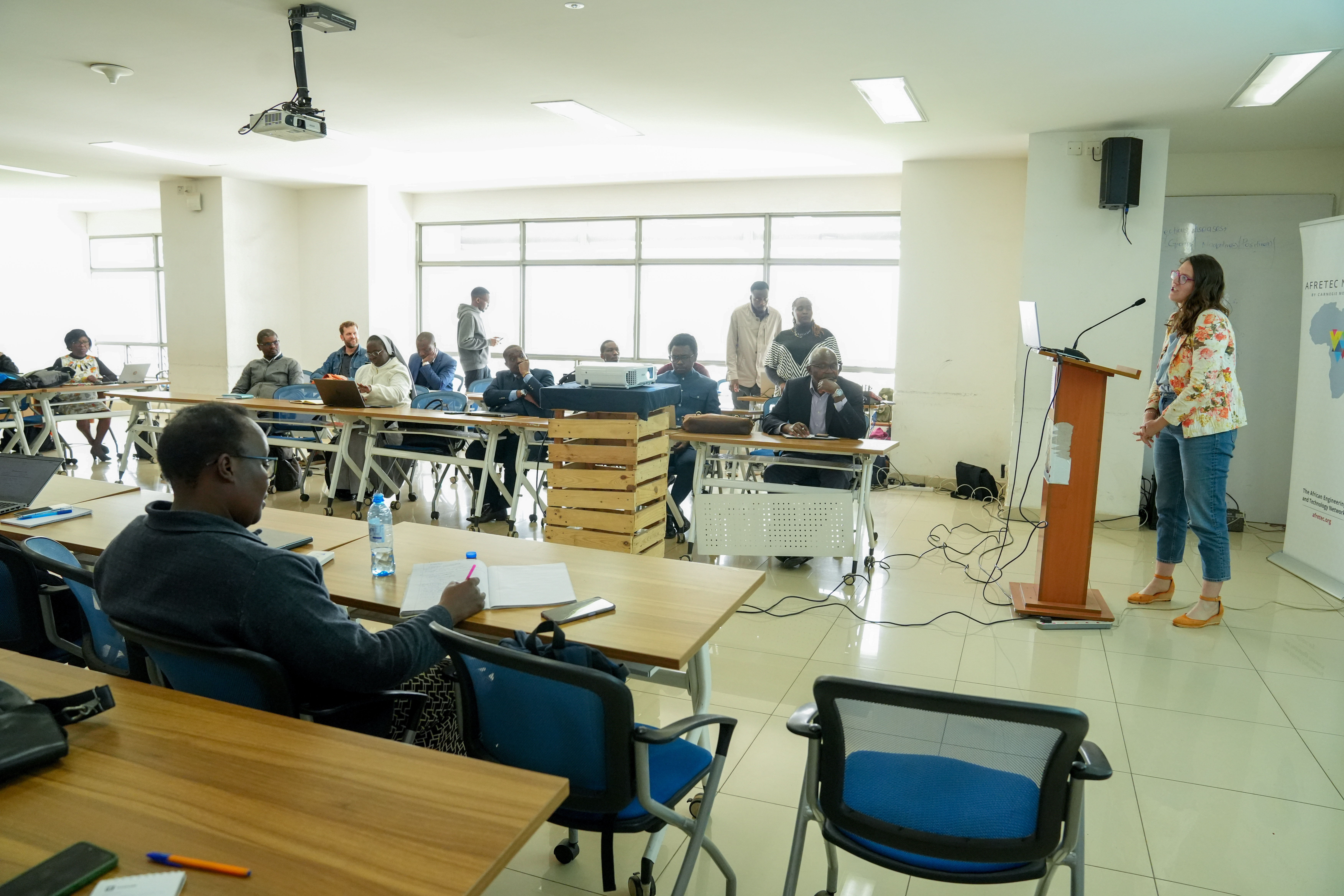
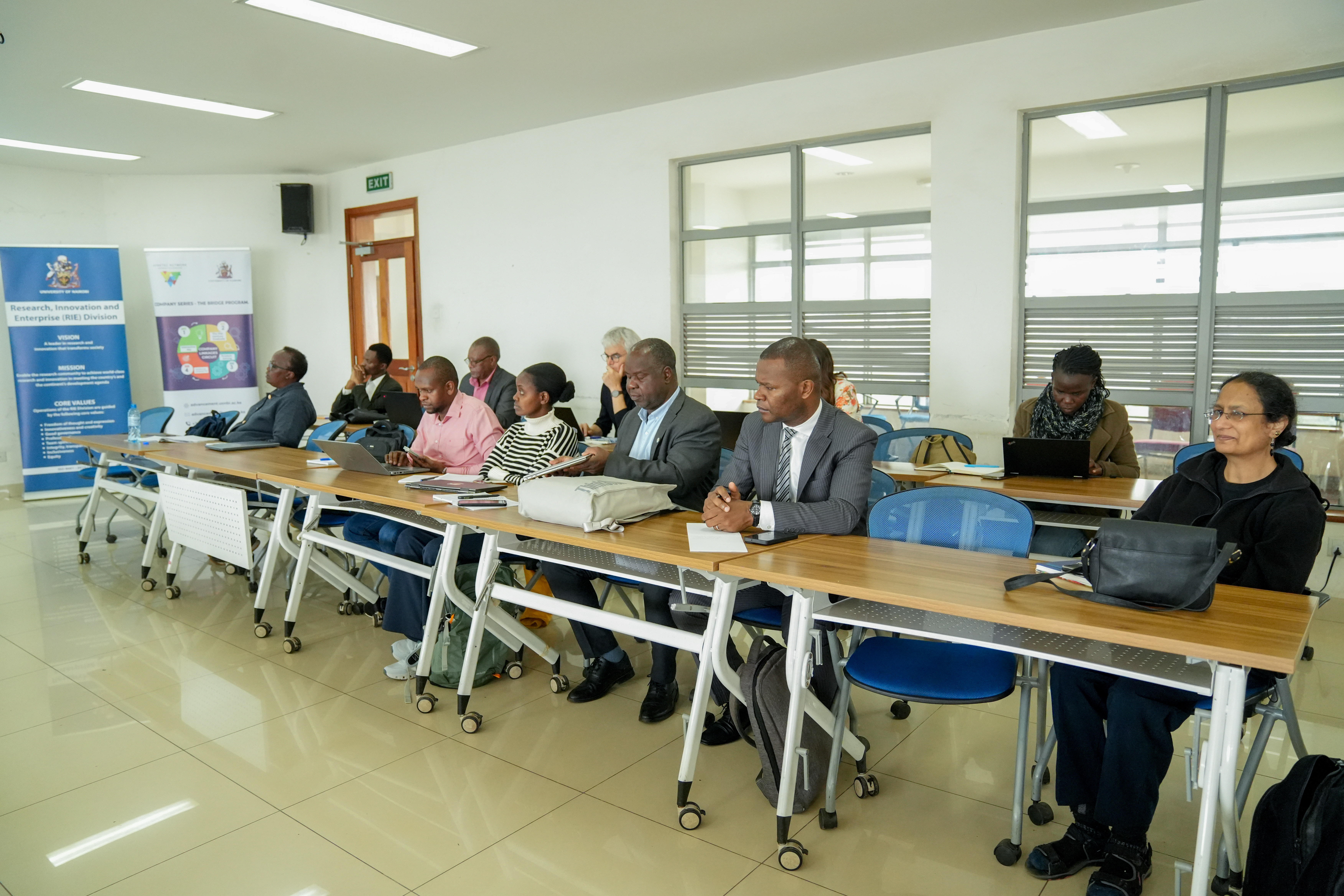
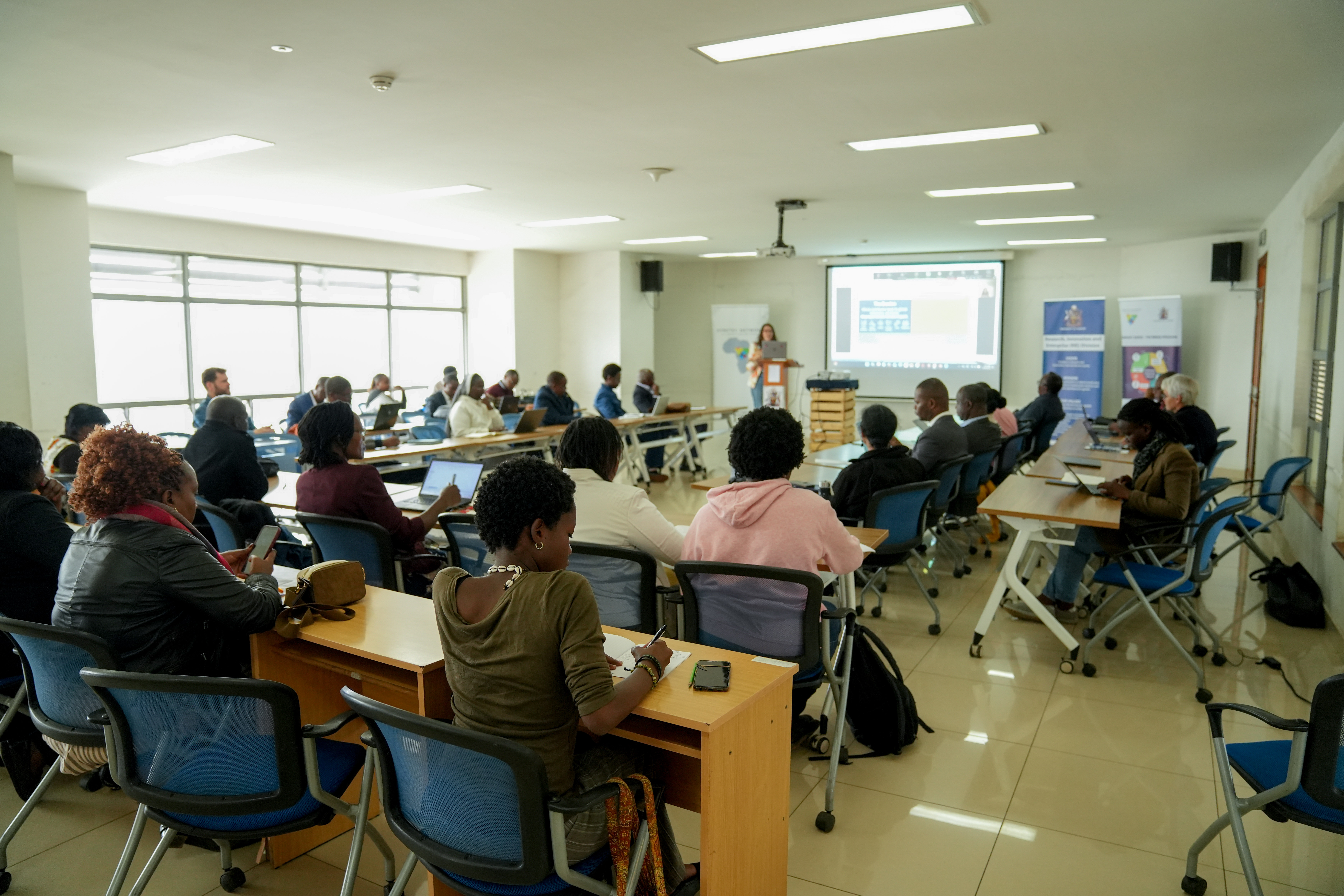
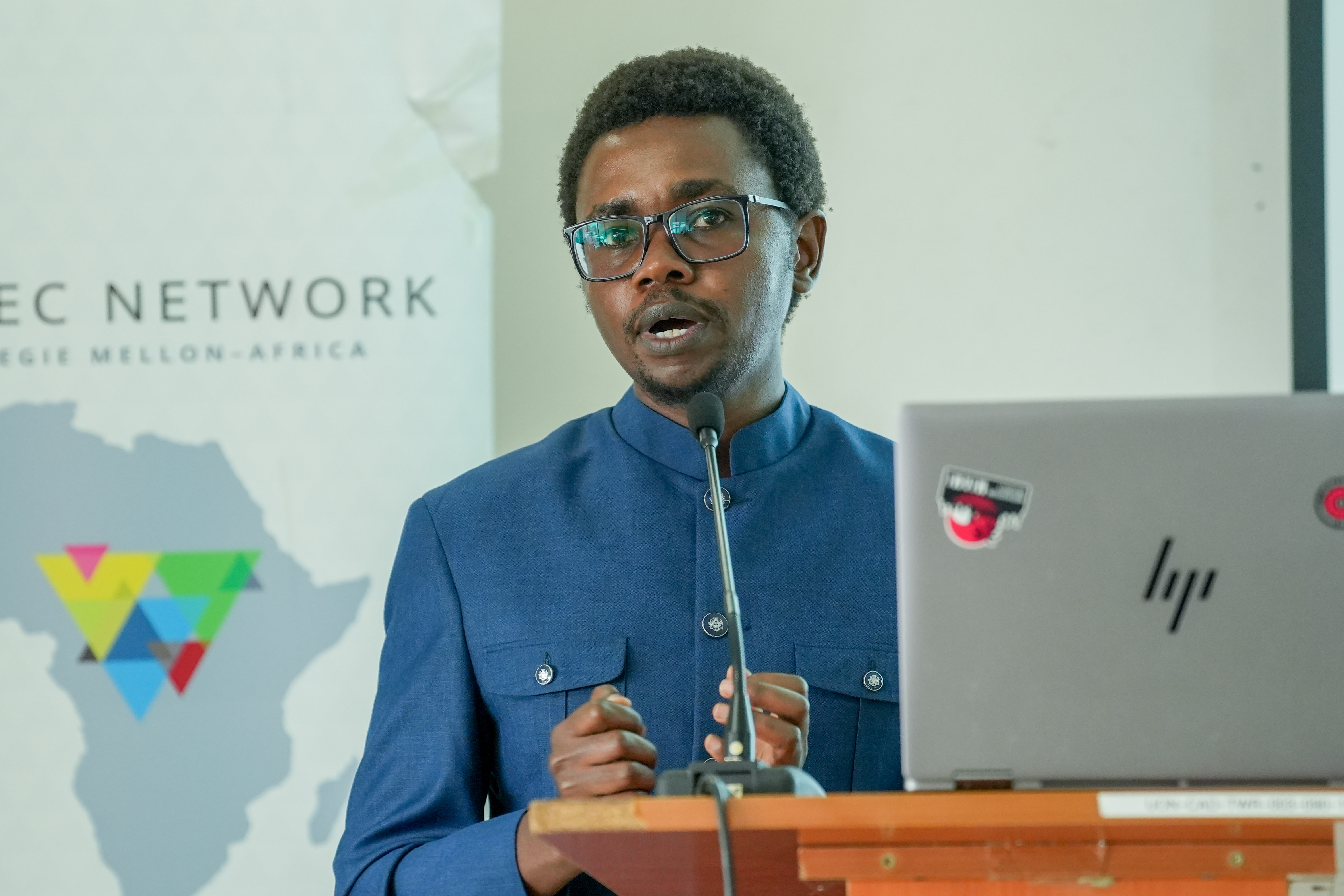
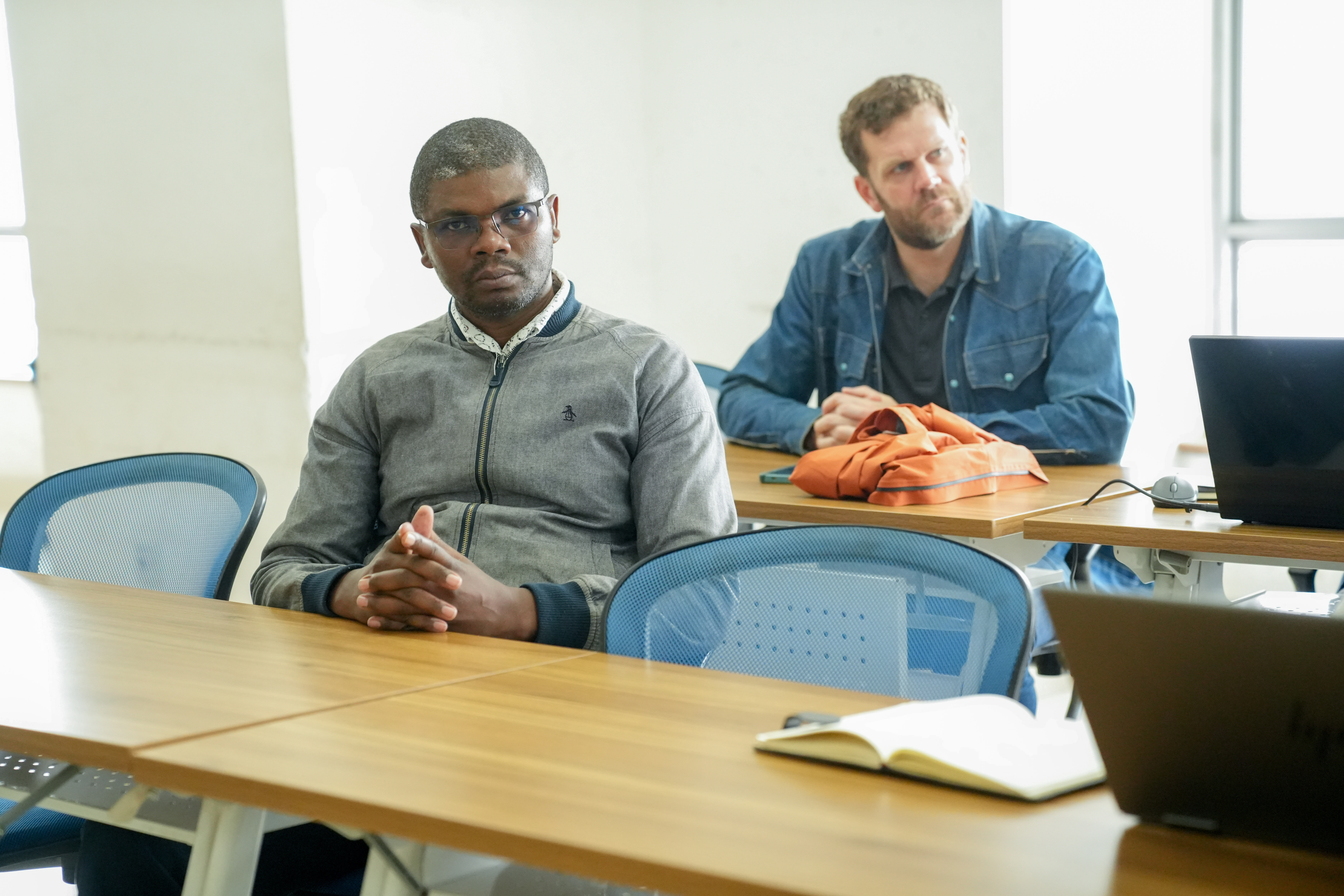
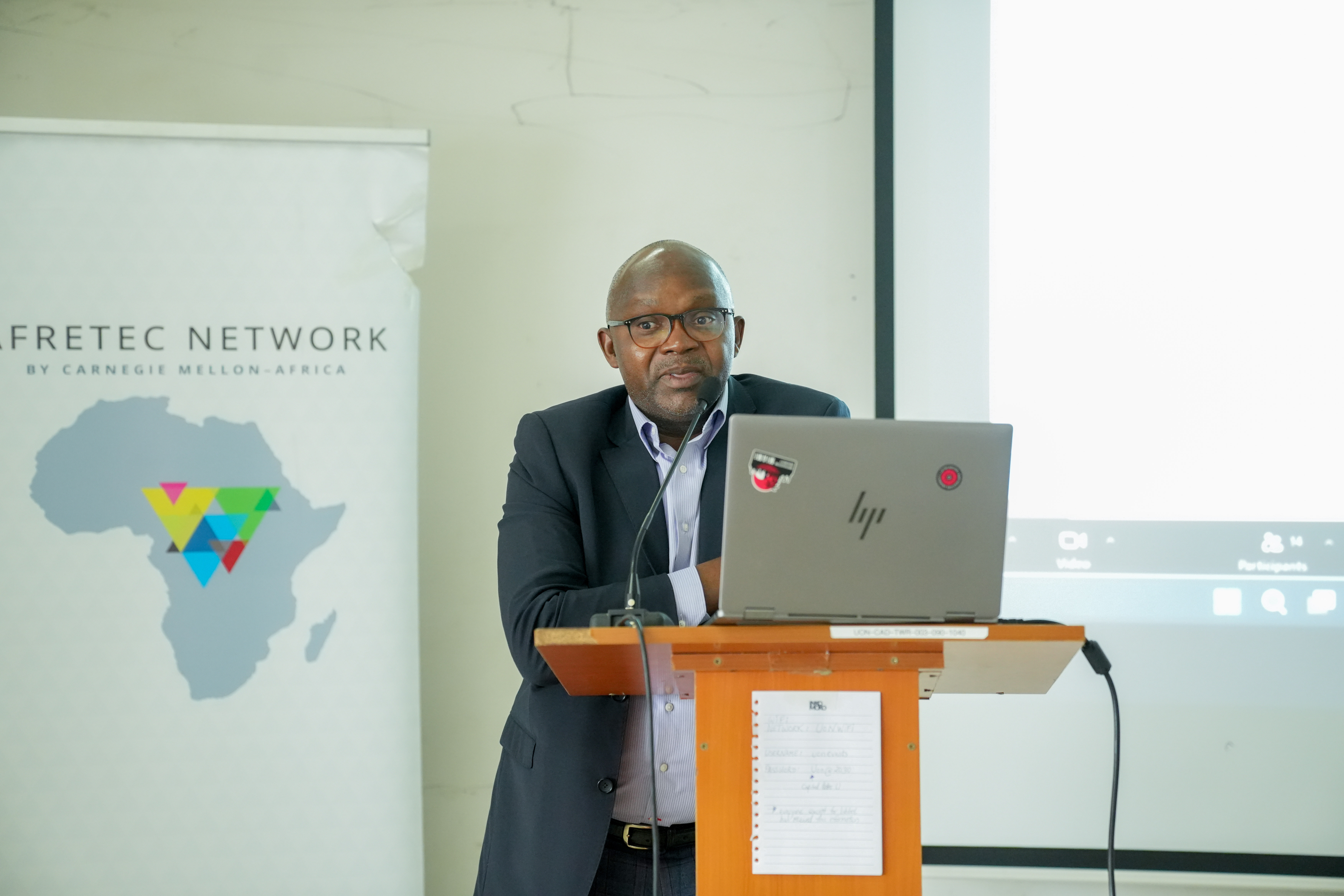
The workshop was convened primarily to onboard researchers into collaborative ecosystems designed to dismantle traditional academic silos. The University’s Director of Research and Enterprise, Prof. Thomas Ochuku Mbuya, also leading the Sustainability Cluster, highlighted that by integrating research clusters, the University is "not just producing papers, but building a thriving ecosystem to provide the intellectual power needed for national development”.
A recurring observation among faculty during the well-attended workshop was the tendency for brilliant prototypes to remain confined to classrooms. To counter this, the workshop encouraged a mindset shift toward innovation and entrepreneurship, urging the transformation of academic research into viable startups and commercial products. The day witnessed deep conversations with keynote speakers setting the pace to identify development trends in the three thematic areas, critical research issues, and opportunities for collaboration.
The discussions emphasised the "Triple Helix" model of collaboration between government, industry, and academia. Keynote speakers, including Ms Karina Faßbender of Circle Innovation and Prof. Laurent Zimmer of CentraleSupelec, emphasised that UoN research must be evidence-informed to influence national policy and attract global funding. Prof. Zimmer specifically highlighted Africa’s massive potential in green hydrogen and solar energy, noting that future research must align with these global transitions.
In the Sustainability cluster, Prof. Richard Mulwa advocated for a transition from a "cowboy economy" of reckless exploitation to a one where natural resources are managed responsibly. The workshop identified priorities in the Blue Economy, circular waste systems for electronics, and bio-sustainability contracts to ensure that biomass energy production does not compromise food security. Meanwhile, the Health cluster addressed the nexus of climate and nutrition, specifically the rising risk of aflatoxin contamination in staples due to erratic weather patterns.
The event concluded with the formation of working groups tasked with identifying a couple of clear research themes and project ideas that can be developed into viable proposals for international funding. A more forward-looking output of this initiative and the workshop is an updated expert database designed to improve interdisciplinary collaboration in five specific ways:
- Breaking Academic Silos: Mapping expertise across departments to assemble the intellectual power needed for multifaceted challenges like climate change.
- Optimising Infrastructure: Cataloging underutilised research equipment to facilitate resource sharing and shared maintenance costs across faculties.
- Facilitating Competitive Consortia: Enabling the university to quickly assemble high-quality teams that meet the interdisciplinary requirements of major international funders.
- Building Trust and Security: Formalising the research process to protect intellectual property and ensure all contributors are fairly recognised from a project's inception.
- Closing the Policy Data Gap: Making university knowledge easily discoverable for government agencies, ensuring national priorities are informed by the institution’s best minds.
Through this strategic alignment with AFRETEC, the University of Nairobi is moving to ensure its research provides tangible solutions for continental development. Researchers were encouraged to continue engaging with the RIE Division and the AFRETEC network to move their ideas forward and pursue meaningful networks.