With the continuously expanding COVID-19 pandemic, increasing numbers of patients and contacts are progressively posing a global challenge. Being novel, there is so much that is yet to be known about this virus and how to manage it. This scenario is not only true for conventional medicine, but is also applicable to herbal medicine and natural products. An ideal anti-COVID-19 medication (or a combination of agents) should be safe for patients while conferring three basic therapeutic effects (and/or preventive health benefits):
International students’ enrollment in higher education abroad has expanded considerably in the last decades. Emigration for tertiary education is becoming more common, particularly among students from developing countries. International students study at thousands of colleges and universities abroad. They contribute to the diversity and internationalization of their classrooms, campuses, and communities. For example, these students add different perspectives in the classrooms and enhance the mutual understanding and appreciation of the differences found around the world.
COVID19 has caused significant economic, social and religious disruption. It has, however, united governments to focus on the need to identify and limit the impact of COVID19, and to review their fiscal strategies in order to protect and sustain their economies. Consequently, social distancing measures have been imposed. These have taken the form of travel restrictions, border controls, closure of all organisations where uncontrolled human interactions take place (malls, learning institutions, religious gatherings), curfews and total lockdown.
The coronavirus pandemic was never among the major challenges alluded to by researchers and authors as likely determinants of the 21st Century. The SARS (Severe Acute Respiratory Syndrome) Virus infection of 2003 had come and passed and people moved on with life, with performance of world economies never being associated with the SARS. Come December 2019, and the World Health Organization (WHO) China office reports a case of pneumonia like infections of unknown cause in Wuhan City, Hubei Province.
The Digital Age is understood differently across continents but in Africa, the context and use could be different though the paradigm of immersion in technology could be holding in both circumstances. The rate of emergence of new technologies is alarming but human beings will adjust to survive and thrive in uncertain times.
In biology, immunity is the balanced state of multicellular organisms having adequate biological defenses to fight infection, disease, or other unwanted biological invasion, while having adequate tolerance to avoid allergy, and autoimmune diseases. Supplementation is the use of pills or special types of food in order to improve your health.
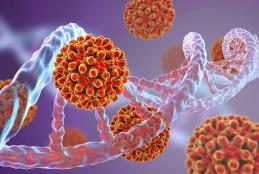
COVID-19 is a member of corona viruses which cause animal diseases. This COVID-19 has made its way into human beings, with its symptoms likened to common cold in addition to severe acute respiratory syndrome (SARS). The epidemic of COVID-19 quite formidable to reckon with, due to its exponential infection rate, subjecting the entire humanity to grave vulnerability of its attack.
As the race to find drugs and medicines to cure and prevent COVID-19 reaches the crescendo, many countries including Kenya are now participating in various human clinical trials for among other experimental drugs Remdesivir, chloroquine or hydroxychloroquine, lopinavir + ritonavir, or with Interferonbeta. These drugs have not been approved for public use and can only be used in the context of the clinical trials in many countries. In this context, the role of drug regulation is going to be extremely important especially at the national level.
As we approach the end of April, Kenya could be host to about 500 of the probable 30,000 COVID-19 positive cases in Africa. The country has instituted drastic containment measures -nationwide curfews and complete lock down of suspected hot spot locations: Nairobi, Mombasa, Kilifi and Kwale. The curfews and lock downs have pushed businesses (hotels, factories, offices, transport, markets etc), institutions- schools, churches and mosques; and informal occupations including fishing, trading, casual work and crafts to complete stagnation and closure.